
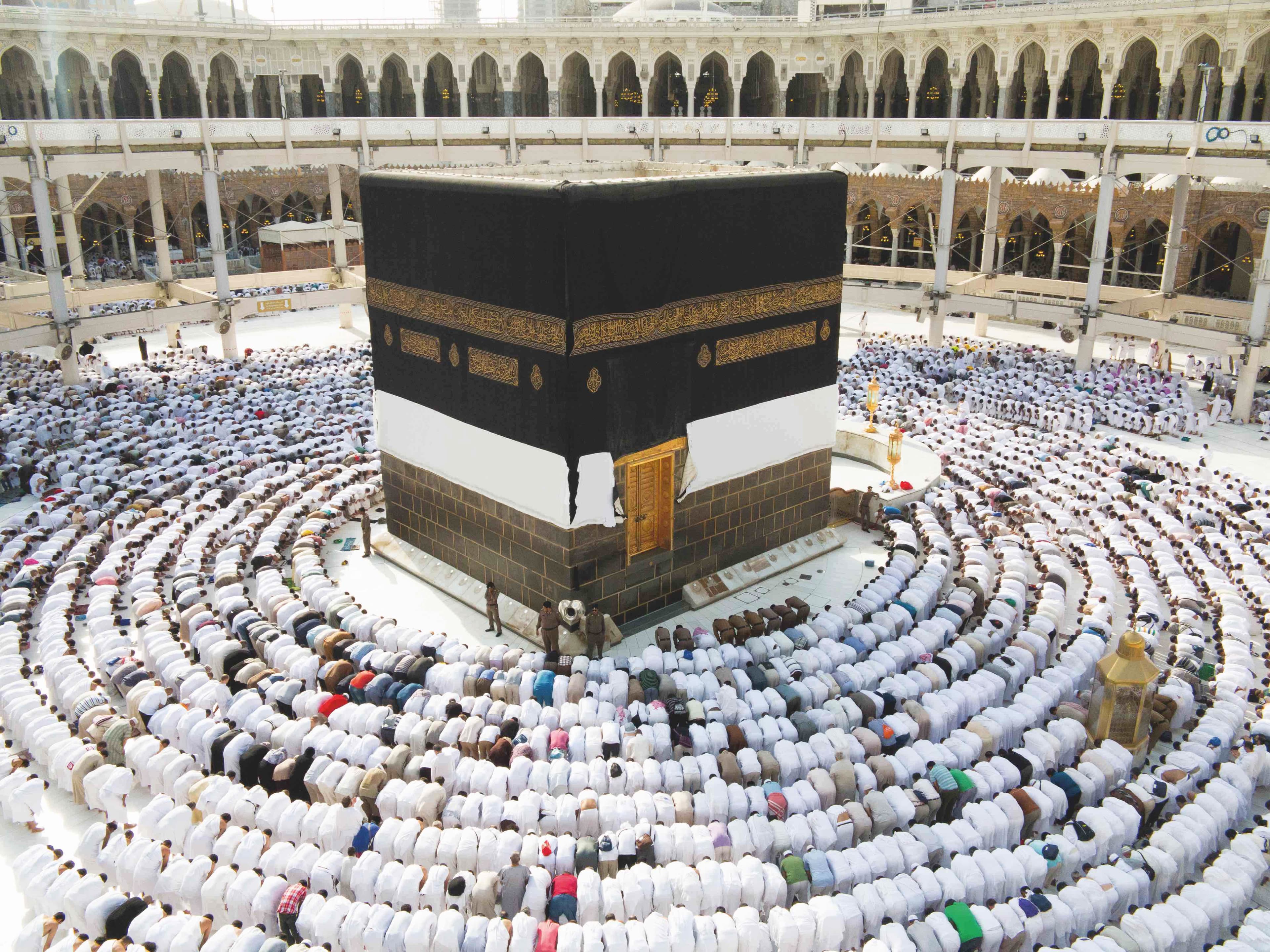
Belief in Allah (Glory to Him, the Exalted) is not simply the first pillar of Islamic faith. It is the very foundation upon which everything else in Islam rests. Understanding who Allah is, what He is like, and what our relationship with Him means is therefore the natural place to begin for any new Muslim or sincere seeker of knowledge.
In Islam, Allah is the Arabic term for God. Muslims believe that Allah is the one and only God: the creator and sustainer of the universe, and the ultimate source of all existence. His oneness, perfection, and sovereignty are not abstract philosophical ideas but living realities that shape every dimension of Muslim life, from worship and ethics to hope and accountability on the Day of Judgment.
The Oneness of Allah (Tawhid)
The most foundational concept in Islamic theology is Tawhid, the absolute oneness and uniqueness of Allah. Allah has no partners, no associates, and no equals. There is nothing in all of creation comparable to Him. This truth is expressed most powerfully and concisely in the Qur'an, in a chapter that the Prophet Muhammad (peace be upon him) described as being equal in reward to a third of the entire Qur'an:
"قُلْ هُوَ ٱللَّهُ أَحَدٌ (1) ٱللَّهُ ٱلصَّمَدُ (2) لَمْ يَلِدْ وَلَمْ يُولَدْ (3) وَلَمْ يَكُن لَّهُۥ كُفُوًا أَحَدٌۢ (4)" (سورة الإخلاص 111: 1-4)
"Say, ˹O Prophet,˺ 'He is Allah, One ˹and Indivisible˺; Allah, the Sustainer ˹needed by all˺. He has never had offspring, nor was He born. And there is none comparable to Him.'" Surah al-Ikhlas (111: 1 to 4)
In just four verses, this chapter establishes the core of what Muslims believe about Allah: He is one, self sufficient, unborn and without offspring, and utterly beyond comparison. Tawhid is not simply a theological statement. It is a worldview that frees the believer from servitude to anything or anyone other than Allah.
To learn more about Tawhid, watch this short introduction: What is Tawhid?
The Attributes of Allah
Allah is described throughout the Qur'an with many attributes that reflect His perfection and majesty. He is All Powerful (Almighty) and All Knowing. Nothing escapes His knowledge or lies beyond His power. He is All Wise in all that He decrees. He is Merciful and Compassionate, the Loving and the Just.
These attributes are not limitations or definitions that confine Allah to human understanding. Rather, they are windows through which we come to know Him, imperfectly and humbly, as is befitting for creation in relation to its Creator. Muslims believe that while these attributes are real and true, they belong to Allah in a manner far beyond anything we can fully comprehend. His mercy, for instance, is mercy, yet it surpasses every form of mercy known to human experience.
Explore the Names and Attributes of Allah in depth: Attributes of Allah Full Series
The Transcendence of Allah
A core aspect of Islamic belief is that Allah is transcendent, beyond the limits of creation, beyond human comprehension, and beyond any analogy we might draw from the world around us. While Allah is near to us in the sense that He hears our prayers and responds to our needs, His very being and attributes are not comparable to anything within existence.
This understanding protects the believer from two errors: imagining Allah as resembling His creation in any way, or denying His attributes entirely out of an attempt to preserve His transcendence. Islamic theology holds both truths together. Allah truly possesses His attributes, and yet He remains utterly unlike anything we know.
Creator and Sustainer of the Universe
Muslims believe that Allah is the creator of the heavens and the earth and everything within them. But His relationship to creation does not end at the moment of creation. He is also the Sustainer. He continuously upholds the universe and controls all aspects of existence according to His divine will. Nothing comes into being, and nothing continues to exist, except by His permission and decree.
This understanding gives the believer a profound sense of dependence and gratitude. Every breath, every heartbeat, every moment of existence is a gift sustained by Allah's ongoing mercy and care.
The Revealer of Guidance
Allah did not create humanity and leave them without direction. Muslims believe that throughout history, Allah communicated His guidance to human beings through a long line of prophets and revealed scriptures. This chain of prophethood culminated in the final and complete revelation, the Qur'an, sent to the Prophet Muhammad (peace be upon him), the last of the prophets and messengers.
Through the Qur'an and the example of the Prophet (peace be upon him), Allah provided humanity with a comprehensive guide for how to live, how to worship, how to treat one another, and how to draw near to Him. This guidance is not a burden. It is a mercy and a light.
The Judge and Sovereign
Allah is the ultimate judge of all of humanity. Muslims believe in a Day of Judgment on which every person will stand before Allah and be held accountable for their deeds, their intentions, and the choices they made in this life. This accountability is not arbitrary. It is rooted in Allah's perfect justice, His complete knowledge of every action and circumstance, and His all encompassing wisdom.
Beyond His role as judge, Allah is also the sovereign ruler of the universe. He holds absolute authority and control over all affairs, in this life and the next. Recognizing this sovereignty is part of what it means to be a Muslim: to surrender to the will of the One who is truly in control.
Drawing Close to Allah Through Worship
If belief in Allah is the foundation, then worship is the means by which that belief becomes lived and felt. Muslims draw near to Allah through specific acts of devotion: prayer (Salah), fasting (Sawm), charity (Zakat), and pilgrimage (Hajj), along with many other forms of remembrance and gratitude woven throughout daily life.
These acts of worship are not mere rituals. They are the primary means by which the believer strengthens their relationship with Allah, renews their awareness of Him, and seeks His pleasure and mercy. Worship, in Islam, is ultimately about love and connection.
This short video reflects on who Allah is and why we worship Him: Why Do We Worship Allah?
Why This Belief Matters
Allah is the central reality of Islam. Every belief, every act of worship, every ethical principle in the Islamic tradition flows from and returns to the recognition of who Allah is. To know Allah, through His names, His attributes, His revelation, and His signs in creation, is the highest pursuit a human being can undertake.
Belief in Allah's oneness, His attributes, and His sovereignty is not simply an intellectual exercise. It is an invitation to a living relationship with the Creator, a relationship built on love, gratitude, reverence, and trust.