
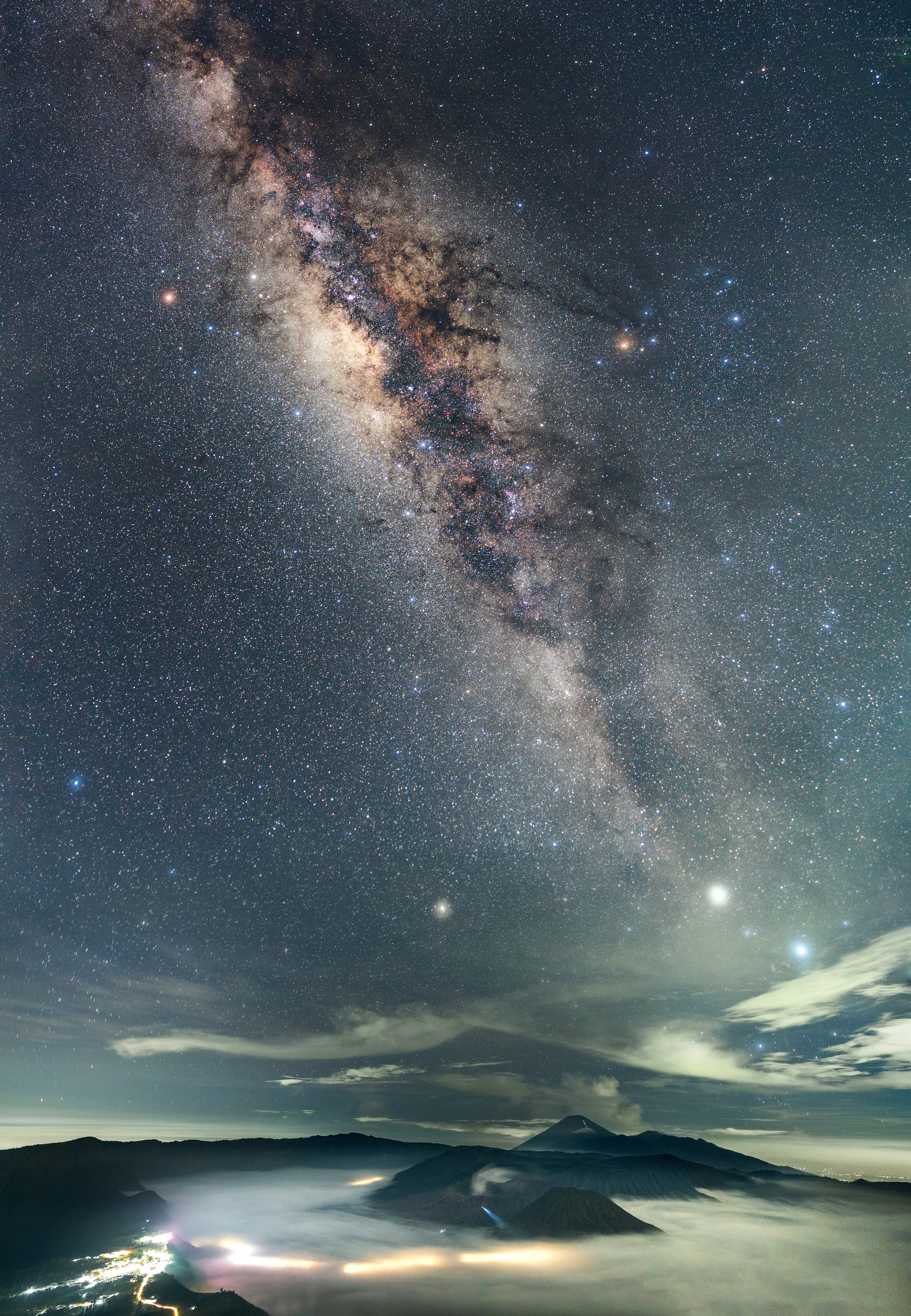
One of the most distinctive aspects of Islamic faith is the belief in realities that lie beyond what we can see, touch, or measure. In Islam, this is known as Al Ghayb, the unseen realm. It refers to aspects of existence that are beyond human perception and comprehension, known only through the guidance and revelation of Allah. Muslims believe that Allah alone possesses complete knowledge of the unseen, and belief in these unseen realities is an essential part of Islamic faith and understanding.
What Is the Unseen Realm?
In Islam, the unseen realm, known as Al Ghayb in Arabic, encompasses various realities and phenomena that are not directly observable or tangible in the physical world. It includes the angels, the jinn, Paradise, Hellfire, the Day of Judgment, divine decree, and other truths that Allah has made known to us through His revelation. These are not myths or metaphors. They are genuine realities that exist beyond the limits of human perception, and belief in them is part of what it means to have faith in Islam.
Angels (Mala'ikah)
Among the most significant inhabitants of the unseen realm are the angels, known in Arabic as Mala'ikah. Angels are beings created by Allah from light and are entrusted with various duties throughout the universe. They carry out tasks such as delivering divine messages, recording human deeds, and worshiping Allah continuously. Unlike human beings, angels do not possess free will in the way we do. They are entirely obedient to Allah and devoted to fulfilling whatever He commands of them.
Learn more about the angels and their roles: Who Are the Angels?
Jinn
Another category of beings within the unseen realm is the jinn. Like human beings, jinn are created by Allah and possess free will, meaning they can choose to obey or disobey Him. Unlike angels, who were created from light, jinn are believed to be created from smokeless fire. They inhabit the unseen realm and coexist with humans in the world, and they are capable of interacting with humans in various ways. Some jinn are righteous and obedient to Allah, while others are not.
To understand more about the jinn: Who Are the Jinn?
Paradise (Jannah) and Hellfire (Jahannam)
Paradise and Hellfire are two realities of the unseen realm where individuals will ultimately reside based on their deeds and Allah's judgment. Paradise, known as Jannah, is described as a place of eternal bliss and enjoyment, a reward beyond anything the human mind can fully imagine. Hellfire, known as Jahannam, is a place of punishment for those who rejected the truth and lived in defiance of Allah's guidance. Both are vivid and real in Islamic belief, and awareness of them is meant to inspire the believer toward righteousness and away from heedlessness.
Learn about Jannah and Jahannam in this series: Paradise and Hellfire
The Day of Judgment (Yawm al Qiyamah)
The Day of Judgment, known as Yawm al Qiyamah, is one of the most significant events in Islamic belief. On that day, all of humanity will be resurrected and held accountable before Allah for everything they did in this life. It is described as a day when the unseen becomes fully manifest, and each person's deeds will be weighed and judged with perfect justice. No soul will be wronged, and nothing will be hidden from Allah on that day.
Learn more about the Day of Judgment: Yawm al Qiyamah
Divine Decree (Qadar)
Qadar refers to Allah's preordained plan and His complete knowledge of all events, including those within the unseen realm. Muslims believe that everything that occurs in the universe unfolds within the divine wisdom and decree of Allah. Nothing happens outside of His knowledge or without His permission. Belief in Qadar is one of the pillars of Islamic faith, and it brings the believer a deep sense of trust, peace, and reliance upon Allah, even in the face of hardship or uncertainty.
Understand the concept of Qadar: Divine Decree in Islam
Supernatural Phenomena and Divine Signs
The unseen realm also encompasses various supernatural occurrences, miracles, and signs from Allah. These include prophetic miracles, divine interventions, and other phenomena that go beyond the ordinary laws of nature. Such signs serve as reminders of Allah's power and presence, and they reinforce the truth of His revelation. One of the most enduring and accessible examples of this is the Qur'an itself, which Muslims believe to be a living miracle in its language, its preservation, and its guidance.
Explore how the Qur'an is a miracle: The Miraculous Qur'an
The Unseen Knowledge of Allah
Underlying all of the above is a truth that holds everything together: Allah possesses knowledge of the unseen that is entirely beyond human comprehension. While human beings can come to know aspects of the unseen through revelation, Allah's knowledge of it is complete, perfect, and eternal. He knows what is hidden and what is apparent, what has passed and what is yet to come. Muslims believe in this omniscience of Allah as a cornerstone of their faith, recognizing that He has knowledge of everything, including the hidden aspects of existence that no human eye has ever seen.
Reflect on Allah's knowledge of the unseen: Allah's Knowledge of Al Ghayb
The Heart of Islamic Belief
The unseen realm is not a peripheral concept in Islam. It is woven into the very heart of what Muslims believe. From the angels who surround us to the Day of Judgment that awaits us all, these realities shape how a Muslim understands this life, what comes after it, and the relationship between the human being and the Creator. Allah alone holds complete knowledge and authority over all aspects of existence, both seen and unseen, and it is through His revelation that we are granted even a glimpse of what lies beyond.