
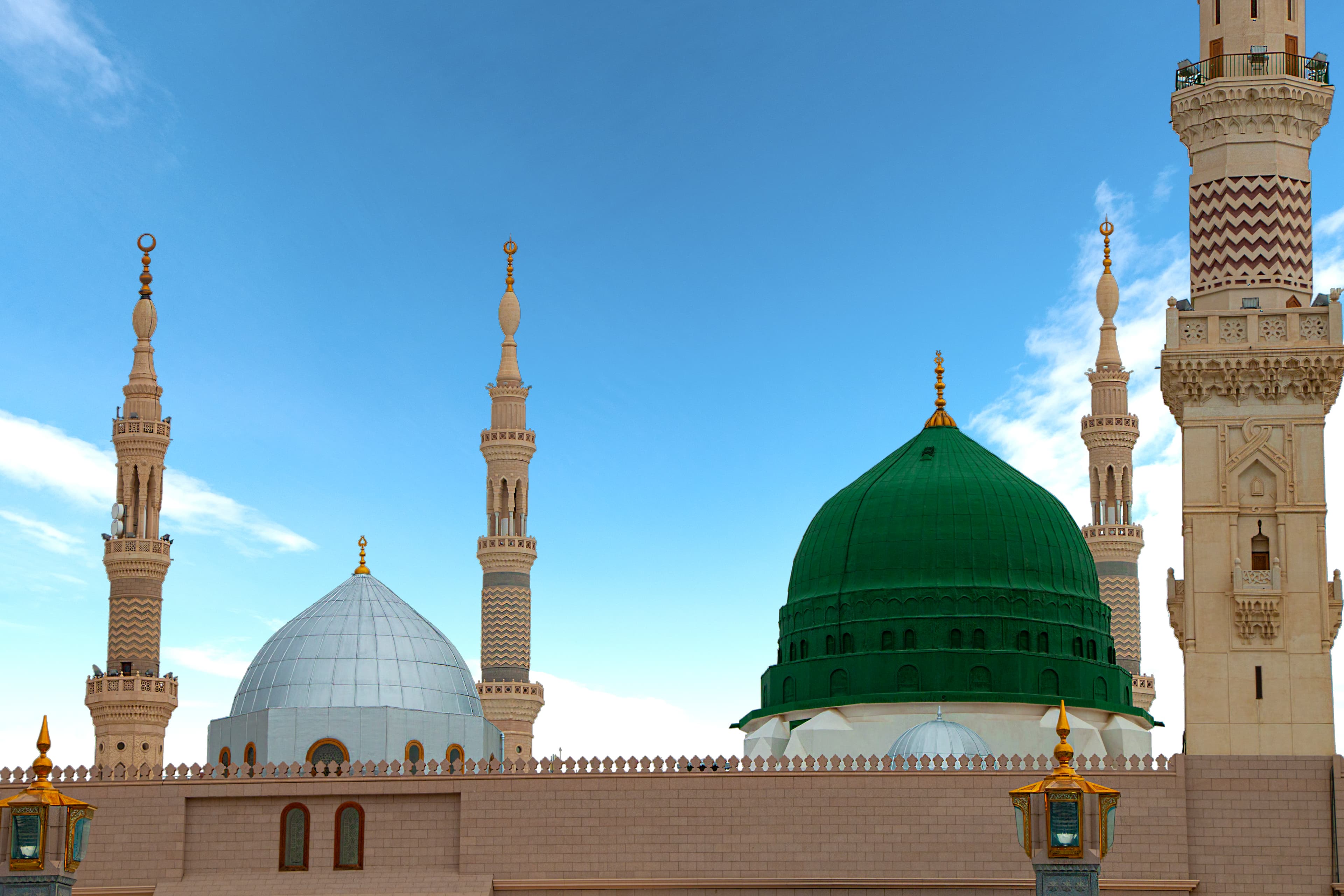
Throughout human history, Allah did not leave people to find their own way. In His mercy, He chose specific human beings from among their communities, revealed His guidance to them, and sent them as beacons of truth and righteousness for the people of their time. These chosen individuals are the prophets, and belief in them is one of the essential pillars of Islamic faith. Muslims believe that Allah sent messengers to every nation, each calling their people to the worship of the One God and to lives of moral uprightness, culminating with the final prophet and messenger, Muhammad (peace be upon him).
Who Were the Prophets?
In Islam, prophets, known in Arabic as al anbiya, are human beings chosen by Allah to receive divine revelation, known as wahy, and to guide their communities to truth, righteousness, and the worship of the One God. The Qur'an describes them as upright servants of Allah who conveyed His message faithfully and without alteration. This commitment to conveying the truth is captured in a verse that Muslims recite as part of their declaration of faith:
"لَا نُفَرِّقُ بَيْنَ أَحَدٍۢ مِّن رُّسُلِهِ" (سورة البقرة 2 : 285)
"We do not differentiate between any of His messengers." Surah al Baqarah (2:285)
This verse affirms that Muslims are required to believe in all of the prophets without distinction. Among them are figures such as Adam, Noah, Abraham, Moses, Jesus, and Muhammad (peace be upon them all). The Prophet Muhammad (peace be upon him) is identified in the Qur'an as the Seal of the Prophets, the last in this long and honored line of messengers.
The Qur'an also makes clear that no community was left without divine guidance:
"وَلِكُلِّ أُمَّةٍۢ رَّسُولٌۭ" (سورة يونس 10 : 47)
"And for every community there is a messenger." Surah Yunus (10:47)
Beyond the Qur'an, authentic hadith literature further emphasizes the moral excellence, truthfulness, and immunity from major sin that is characteristic of all prophets. Together, the Qur'an and the Sunnah, which refers to the sayings, actions, and approvals of the Prophet Muhammad (peace be upon him), present the prophets as exemplars who taught belief in God, moral conduct, and the path to salvation.
In this Ramadan series, Mufti Menk covers important lessons from the lives of the prophets of Allah: Stories of the Prophets
Who Was Prophet Muhammad (Peace Be Upon Him)?
From an Islamic perspective, Prophet Muhammad (peace be upon him) holds a unique and central position. He is revered as the final prophet and messenger of Allah, sent not to one particular people but to all of humanity. His prophethood marks the completion and perfection of divine guidance, and his life and teachings remain the living example by which Muslims orient their faith and conduct to this day.
The Seal of the Prophets
Muslims believe that Prophet Muhammad (peace be upon him) was chosen by Allah to conclude the long line of prophethood that began with Adam and passed through Noah, Abraham, Moses, Jesus, and many others (peace be upon them all). He is the Seal of the Prophets, meaning that no prophet or messenger will come after him. The guidance he brought is final, complete, and preserved for all generations to come.
The Revelation of the Qur'an
Over a period of approximately 23 years, Prophet Muhammad (peace be upon him) received divine revelation in the form of the Qur'an through the Angel Gabriel (Jibreel). Muslims believe the Qur'an to be the literal word of Allah, preserved in its original form without alteration from the time of its revelation to this day.
Learn more about the Qur'an and its revelation: Introduction to the Qur'an
An Exemplar of Moral Character
Prophet Muhammad (peace be upon him) is viewed as the perfect example of piety, humility, compassion, and moral character. His life serves as a model for Muslims to emulate in their personal conduct, their interactions with others, and their devotion to Allah. Every dimension of his life, from how he treated his family to how he led his community, offers practical guidance for the believer.
Leader and Statesman
In addition to his role as a prophet, Muhammad (peace be upon him) was also a leader, statesman, and reformer. He established the first Muslim community in Medina, where he implemented principles of justice, equality, and social welfare that were remarkable for their time and remain deeply instructive today.
Mercy to All of Mankind
Prophet Muhammad (peace be upon him) is often referred to by the title Rahmatan lil Alamin, meaning Mercy to the Worlds. This title, drawn from the Qur'an, reflects the universal scope of his mission. His teachings emphasize compassion, forgiveness, and genuine concern for the well being of all of humanity, regardless of faith or background.
In this series, Shaykh Omar Suleiman takes us through a journey of discovering the character and qualities of our Prophet (peace be upon him): The Prophet's Character
The Heart of Islamic Belief
The prophets are not simply historical figures to be admired from a distance. In Islam, they are living guides whose examples shape the way Muslims think, worship, and live. Believing in all of the prophets, honoring their message, and following the final prophet Muhammad (peace be upon him) through the Qur'an and Sunnah is at the very core of what it means to be a Muslim.
For further reading on the authenticity of the hadith of Prophet Muhammad (peace be upon him): Can We Trust Hadith Literature? Understanding the Processes of Transmission and Preservation