
Once a year, for an entire month, Muslims around the world undergo a profound transformation of their daily lives. From the first light of dawn until the sun sets, they refrain from food, drink, intimacy, and sinful behavior. Not out of hardship alone, but out of love, devotion, and a sincere desire to draw closer to Allah. This is Sawm, the fast of Ramadan, and it is the fourth pillar of Islam.
Ramadan is the ninth month of the Islamic calendar and one of the holiest times in the entire year. Its significance goes beyond the physical act of abstaining. It is a month of mercy, forgiveness, and deep spiritual renewal, a time when the soul is given the opportunity to be polished, strengthened, and brought back to its truest purpose.
What Is Fasting?
At its core, fasting in Islam is an act of worship in which the believer temporarily withholds from themselves what is otherwise lawful, for the sake of Allah alone. It is a discipline of the body, but more importantly, it is a discipline of the heart. Allah prescribes this practice clearly in the Qur'an:
"يَـٰٓأَيُّهَا ٱلَّذِينَ ءَامَنُواْ كُتِبَ عَلَيْكُمُ ٱلصِّيَامُ كَمَا كُتِبَ عَلَى ٱلَّذِينَ مِن قَبْلِكُمْ لَعَلَّكُمْ تَتَّقُونَ"
"O believers! Fasting is prescribed for you, as it was for those before you, so perhaps you will become mindful ˹of Allah˺." Surah al Baqarah (2:183)
The word used in this verse, taqwa, is often translated as God consciousness or mindfulness of Allah. It refers to a heightened awareness of Allah's presence in every moment and a sincere effort to live in accordance with His guidance. This is the ultimate goal of fasting.
The Immense Reward of Fasting
Fasting holds a unique and extraordinary status among all acts of worship. It is a special act of worship that Allah, the Exalted, rewards directly, without informing us of the amount, which signals that its reward is immense beyond measure. The Prophet Muhammad (peace be upon him) conveyed this in a hadith recorded in Sahih Muslim:
"كُلُّ عَمَلِ ابْنِ آدَمَ يُضَاعَفُ، الحَسَنَةُ عَشْرُ أَمْثَالِهَا، إلى سَبْع مِائَة ضِعْفٍ، قالَ اللَّهُ عَزَّ وَجَلَّ: إلَّا الصَّوْمَ؛ فإنَّه لي، وَأَنَا أَجْزِي به، يَدَعُ شَهْوَتَهُ وَطَعَامَهُ مِن أَجْلِي"
"Every (good) deed of the son of Adam would be multiplied, a good deed receiving a tenfold to seven hundredfold reward. Allah, the Exalted and Majestic, has said: With the exception of fasting, for it is done for Me and I will give a reward for it, for one abandons his passion and food for My sake." Sahih Muslim
Every other good deed carries a known multiplier of reward. Fasting is different. Its reward belongs entirely to Allah, and He alone determines what He gives for it. For the believer, this is one of the most motivating truths in all of Islam.
Why Ramadan Is So Important
Ramadan is not simply the month of fasting. It is the month in which the Qur'an was first revealed to the Prophet Muhammad (peace be upon him), making it the most blessed month in the Islamic calendar. Fasting during Ramadan is one of the Five Pillars of Islam, which means it is among the essential and foundational acts of worship that every Muslim is called to fulfill. It is a month in which the doors of mercy are opened wide, sins are forgiven, and the believer has every opportunity to renew and deepen their relationship with Allah.
The Daily Rhythm of Ramadan
Ramadan brings a beautiful and distinctive structure to each day. Before the Fajr prayer at dawn, Muslims wake for Suhoor, a pre dawn meal that sustains them through the fasting hours ahead. From the time of Fajr until the Maghrib prayer at sunset, the fast is observed. No eating, drinking, or intimacy takes place during these hours.
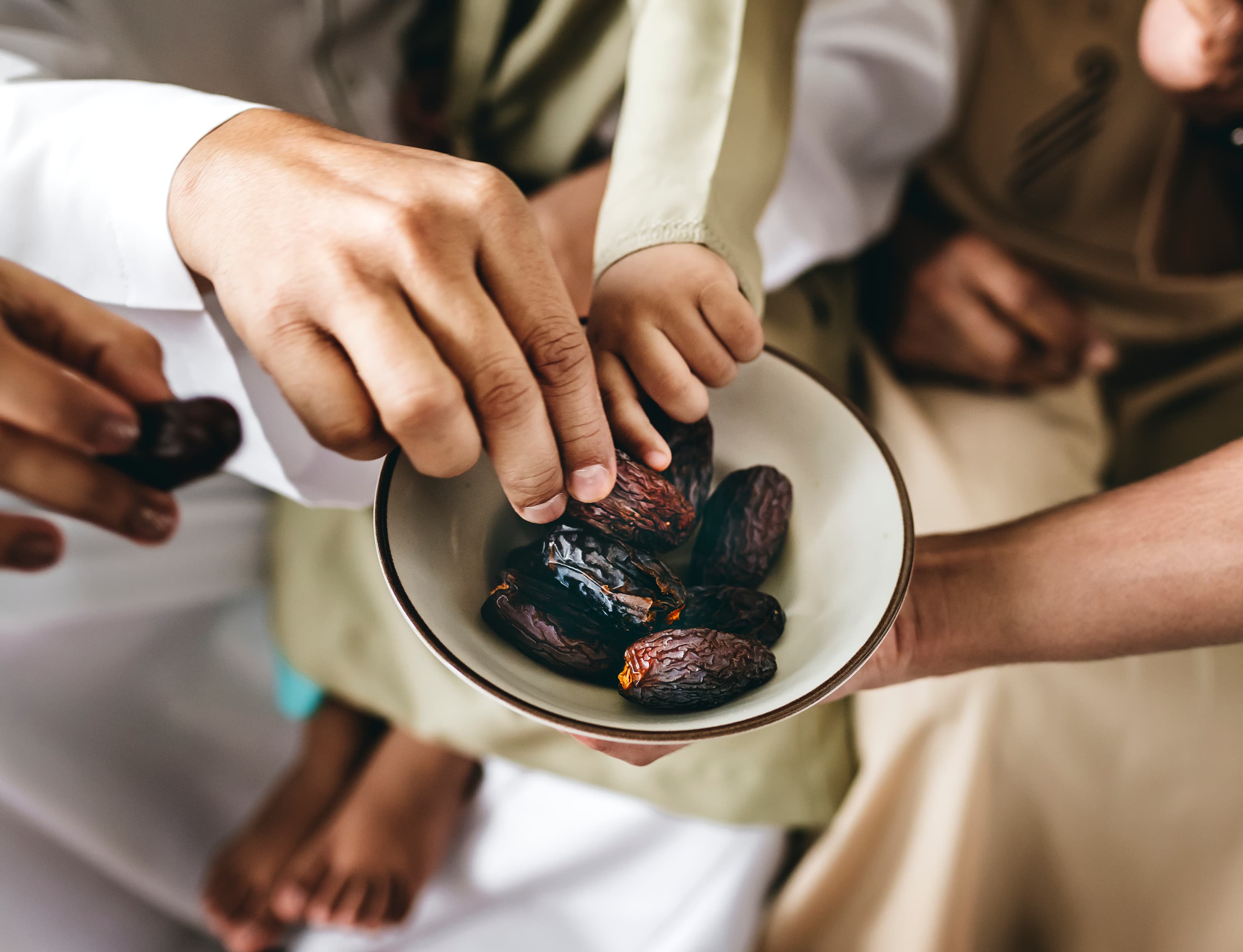
When the sun sets, the fast is broken at Maghrib, traditionally beginning with dates and water, following the practice of the Prophet (peace be upon him). The evening continues with the Isha prayer, followed by Taraweeh, the special night prayers of Ramadan that are often prayed in congregation and carry their own unique spirit and reward.
How to Spend the Days of Ramadan
Muslims continue with their regular daily responsibilities during Ramadan, including work, study, and family life. But Ramadan calls for something more. Alongside these ordinary duties, the believer strives to pray the five daily prayers on time, read or listen to the Qur'an every day, make dua (supplication) frequently, and give charity and help those around them. It is also a time to be especially mindful of the tongue and the heart, avoiding gossip, arguments, and the wasting of precious time.
Prepare for Ramadan with these two sessions by Imam Saqib Mahmood: Ramadan Preparation and Halfway Through Ramadan
The Last Ten Nights
The final ten nights of Ramadan are among the most sacred moments in the entire Islamic year. Hidden within them is Laylat al Qadr, the Night of Power, which the Qur'an describes as being better than a thousand months of worship. The believer who spends this night in sincere prayer and devotion receives a reward that surpasses a lifetime of worship outside of it. During these ten nights, Muslims increase their prayers, their remembrance of Allah (dhikr), their recitation of the Qur'an, and every other act of worship they are able to perform.
For a detailed guide on the month of Ramadan, its significance, and how to make the most of its days and nights: How Does Ramadan Work? A Beginner's Guide
After Ramadan: Eid al Fitr
When the month of Ramadan draws to a close, Muslims celebrate Eid al Fitr, a joyful day of gratitude and community. Muslims gather for the Eid prayer in the morning, give Zakat al Fitr to ensure that those in need are also able to celebrate, and spend the day in the company of family and friends, enjoying food, laughter, and the warmth of community. It is a gift at the end of a month of striving, a reminder that Allah rewards those who give their best for His sake.
The Heart of Islamic Belief
Sawm is far more than going without food and water. It is a month long journey of the soul, a chance to reset, to purify, and to emerge as a stronger, more conscious, and more grateful Muslim. The hunger and thirst of the day are reminders of what truly matters. The prayers of the night are an opportunity to be alone with Allah in the most intimate way. And the community of Ramadan, shared across every corner of the world, is one of the most powerful expressions of what it means to belong to the Ummah of Islam.