Before a Muslim prays, fasts, or performs any act of worship, there is something that must come first: belief. In Islam, faith is not simply a feeling or a cultural identity. It is a set of definite, knowable truths about Allah, the universe, and the human being's place within it. These truths are organized into what is known as the Six Pillars of Faith, the essential beliefs that form the very foundation of Muslim theology and creed.
The Six Pillars of Faith provide a comprehensive framework for understanding everything that matters most: who Allah is, the nature of the world He created, what this life is for, and what comes after it. Together they shape how a Muslim sees reality, makes decisions, and finds meaning in both ease and hardship.
The Six Pillars
Belief in Allah is the first and most foundational pillar. It centers on the concept of monotheism, the recognition that Allah is the one and only God, the creator and sustainer of the universe, without partner, associate, or equal. Everything else in Islamic belief flows from this single, transformative truth.
Belief in the Angels affirms the existence of celestial beings created by Allah from light to carry out His commands throughout the universe. Angels serve as intermediaries between Allah and humanity, delivering revelation, recording deeds, and fulfilling the duties entrusted to them by their Creator.
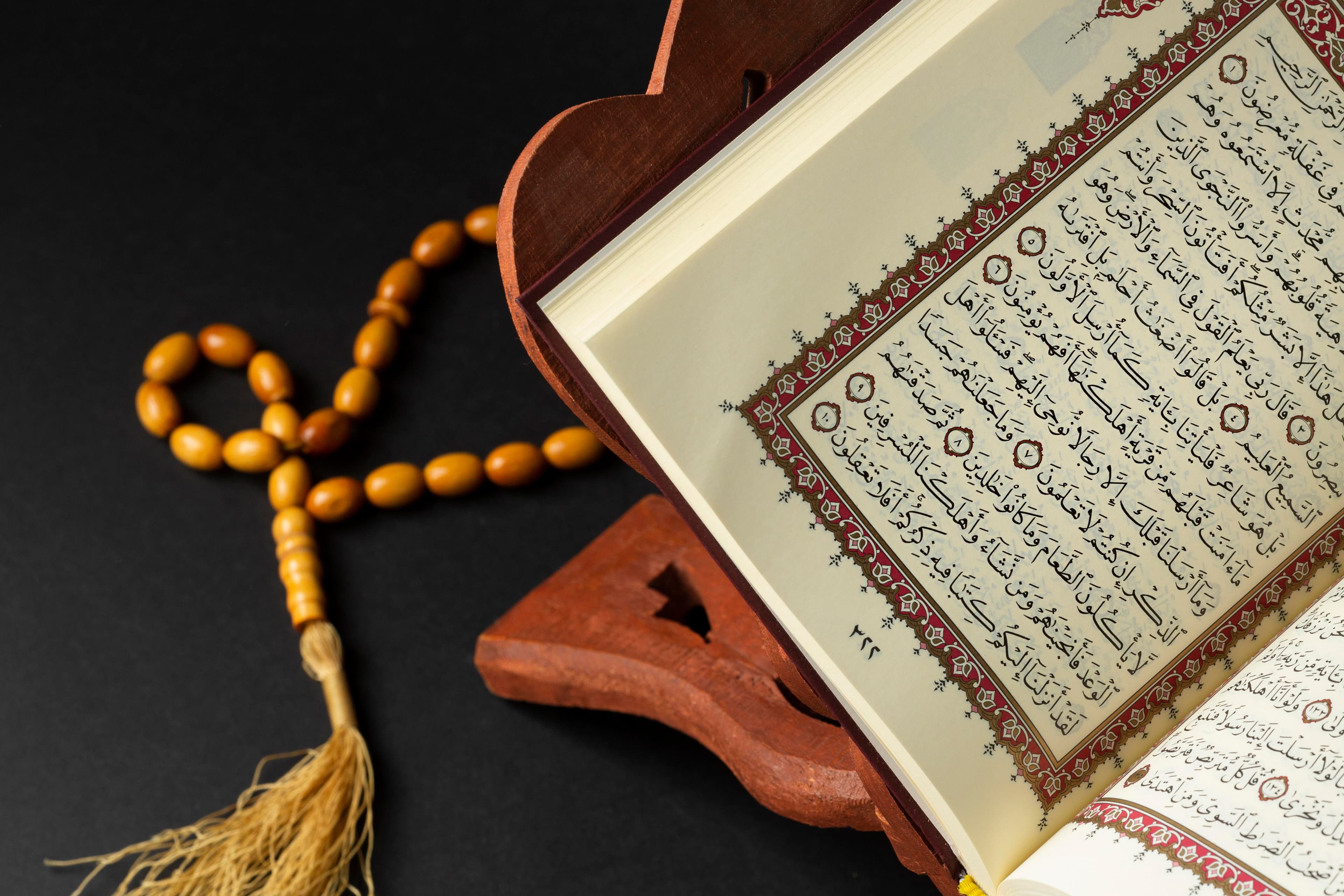
Belief in the Revealed Scriptures acknowledges that Allah communicated His guidance to humanity through divine books sent to His prophets across history. This pillar recognizes the divine origin of previous scriptures as well as the Qur'an, which Muslims believe to be the final, complete, and perfectly preserved word of Allah.
Belief in the Prophets and Messengers recognizes the role of chosen human beings throughout history who received divine revelation and conveyed Allah's message to their people. From Adam to Muhammad (peace be upon them all), the prophets are models of faith, moral character, and devotion to Allah.
Belief in the Day of Judgment underscores the reality of the afterlife, accountability, and divine justice. Every human being will be resurrected and stand before Allah to be held accountable for their deeds and beliefs. This pillar gives the believer a profound sense of purpose and reminds us that this life is a passage, not a destination.
Belief in Divine Decree acknowledges that Allah has complete knowledge and wisdom over all things, and that everything in the universe unfolds according to His divine plan. This belief, known as Qadar, teaches the Muslim to strive fully while placing their trust in Allah, accepting His will with patience and confidence in His wisdom.
A Living Foundation
These six pillars are not simply items on a checklist. They are living beliefs that shape the heart, inform the mind, and guide every dimension of a Muslim's life. A person who truly internalizes them will find that their relationship with Allah deepens, their purpose in life becomes clear, and their ability to navigate hardship with grace and trust grows stronger.
In the articles that follow, each of the Six Pillars of Faith is explored in detail, with the aim of building a clear, grounded, and accessible understanding for every reader, whether you are new to Islam or simply seeking to strengthen what you already know.