If the Six Pillars of Faith tell us what a Muslim believes, the Five Pillars of Islam show us how that belief is lived. In Arabic, Ibadaat means worship, and in Islam, worship is not confined to a single act or a single moment. It is a structure woven into the fabric of daily life, a rhythm of devotion that keeps the believer connected to Allah from the moment they wake to the moment they sleep.
The Five Pillars of Islam are the foundational acts of worship that every Muslim is called to uphold. They are the cornerstone of Muslim faith and practice, and together they encompass the full range of what it means to surrender to Allah: in word, in body, in wealth, in time, and in journey.
The Five Pillars
Allah emphasizes two of these pillars together in a single verse, pointing to the inseparable relationship between prayer and charity in the life of a believer:
"وَأَقِيمُواْ ٱلصَّلَوٰةَ وَءَاتُواْ ٱلزَّكَوٰةَ"
"Establish the prayer and give Zakah." Surah al Baqarah (2:43)
Fasting is commanded as a means of developing taqwa, a deep and conscious mindfulness of Allah:
"يَـٰٓأَيُّهَا ٱلَّذِينَ ءَامَنُواْ كُتِبَ عَلَيْكُمُ ٱلصِّيَامُ كَمَا كُتِبَ عَلَى ٱلَّذِينَ مِن قَبْلِكُمْ لَعَلَّكُمْ تَتَّقُونَ"
"O believers! Fasting is prescribed for you, as it was for those before you, so perhaps you will become mindful ˹of Allah˺." Surah al Baqarah (2:183)
And the pilgrimage is described as a duty owed directly to Allah by those who are able:
"وَلِلَّهِ عَلَى ٱلنَّاسِ حِجُّ ٱلْبَيْتِ مَنِ ٱسْتَطَاعَ إِلَيْهِ سَبِيلًۭا"
"Pilgrimage to this House is an obligation by Allah upon whoever is able among the people." Surah Al Imran (3:97)
The Shahada, the declaration of faith, is the first and most foundational pillar. It is the affirmation that there is no god but Allah and that Muhammad (peace be upon him) is His messenger. It is the entry point into Islam and the belief that every other act of worship flows from.
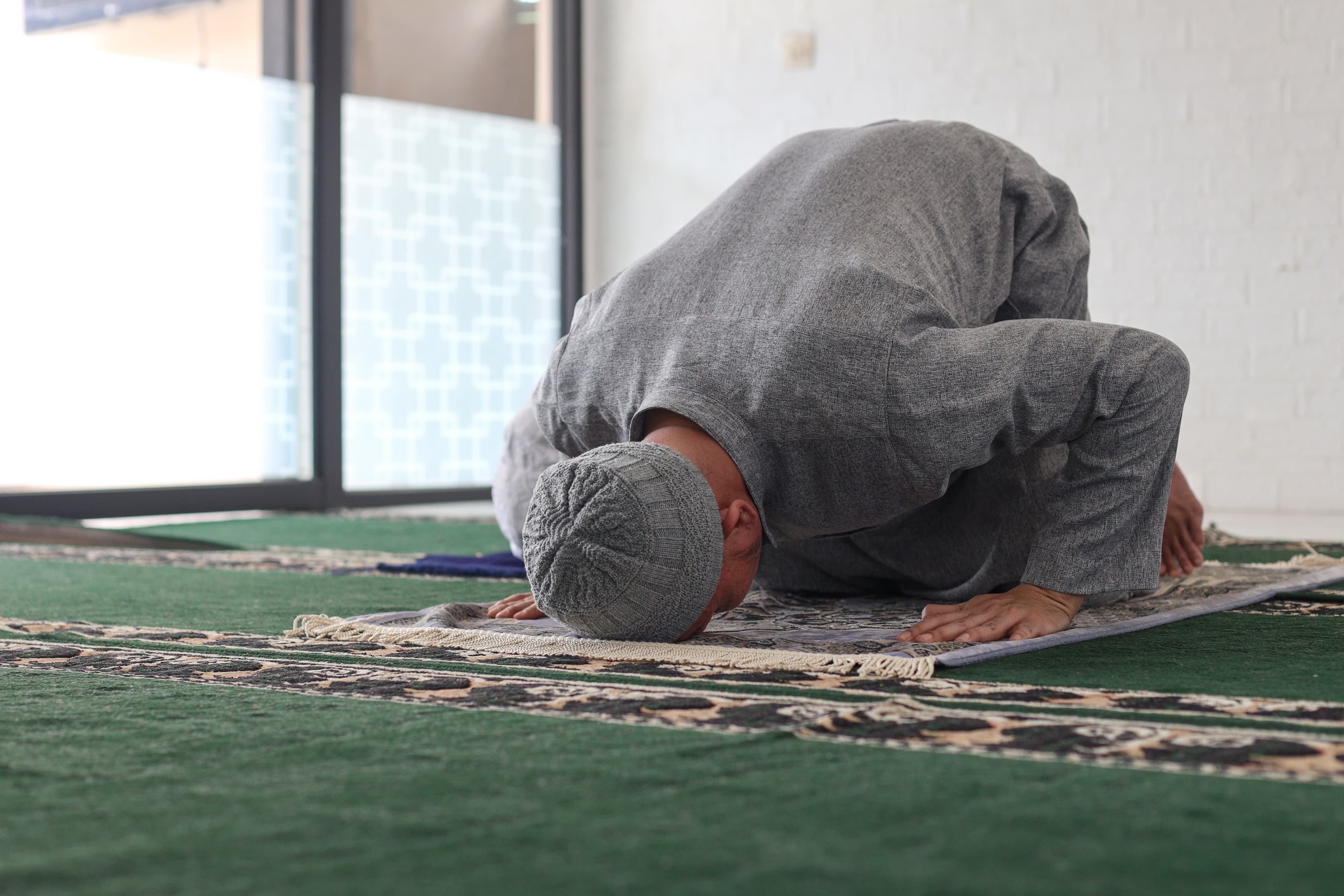
Salah, the ritual prayer performed five times daily, is the most regular and consistent act of worship in a Muslim's life. It provides a structured rhythm of spiritual connection and submission to Allah throughout the day, from the first light of dawn to the quiet of night.
Zakat, the obligatory charity, is the requirement to give a portion of one's wealth to those in need. It purifies the heart from attachment to material things, fosters social justice, and ensures that the blessings Allah has given are shared with those who are struggling.
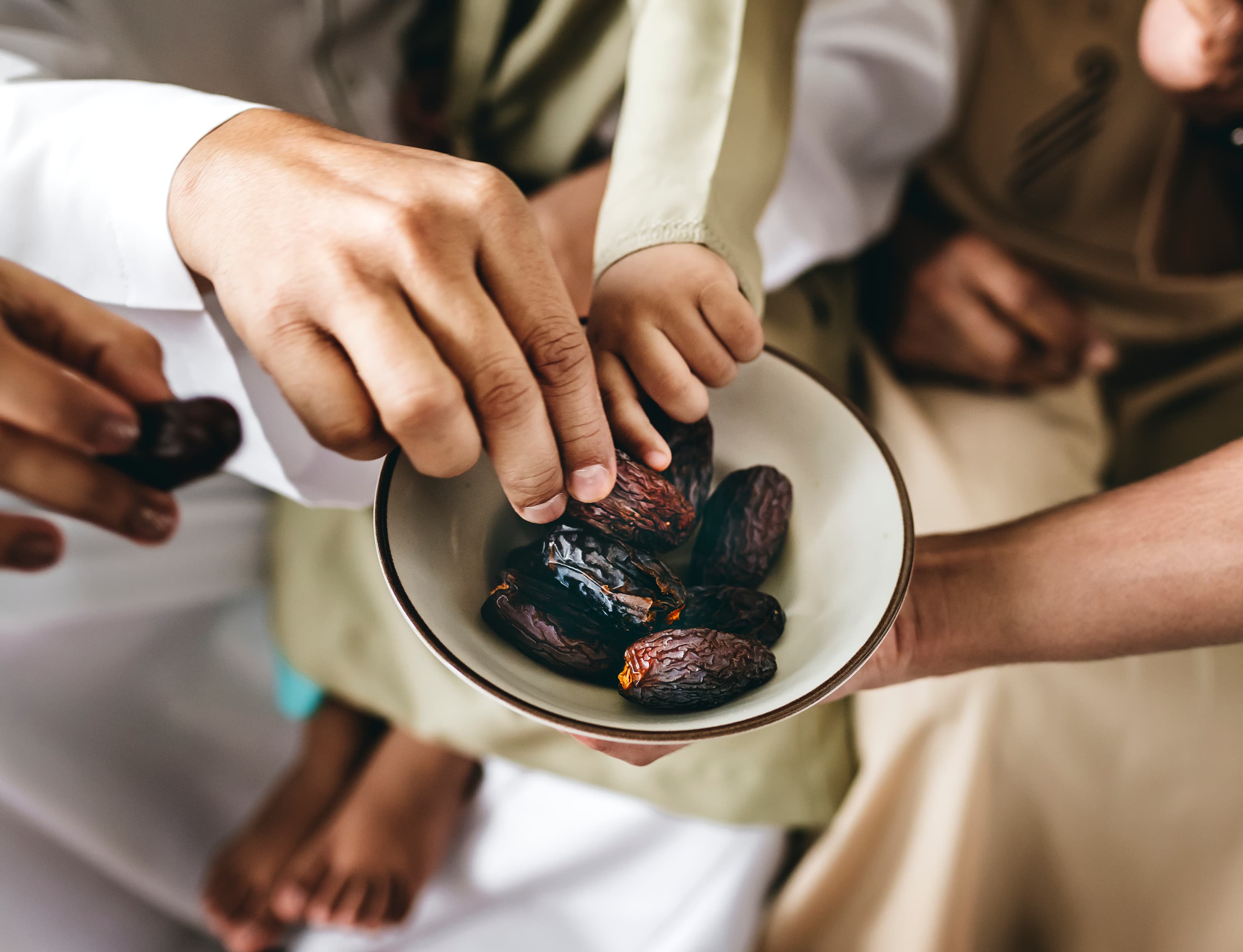
Sawm, the fast of Ramadan, calls the believer to abstain from food, drink, intimacy, and sinful behavior from dawn to sunset throughout the holy month. It is a pillar of self discipline, empathy, and deep spiritual purification, a time when the soul is given space to be renewed and drawn closer to Allah.
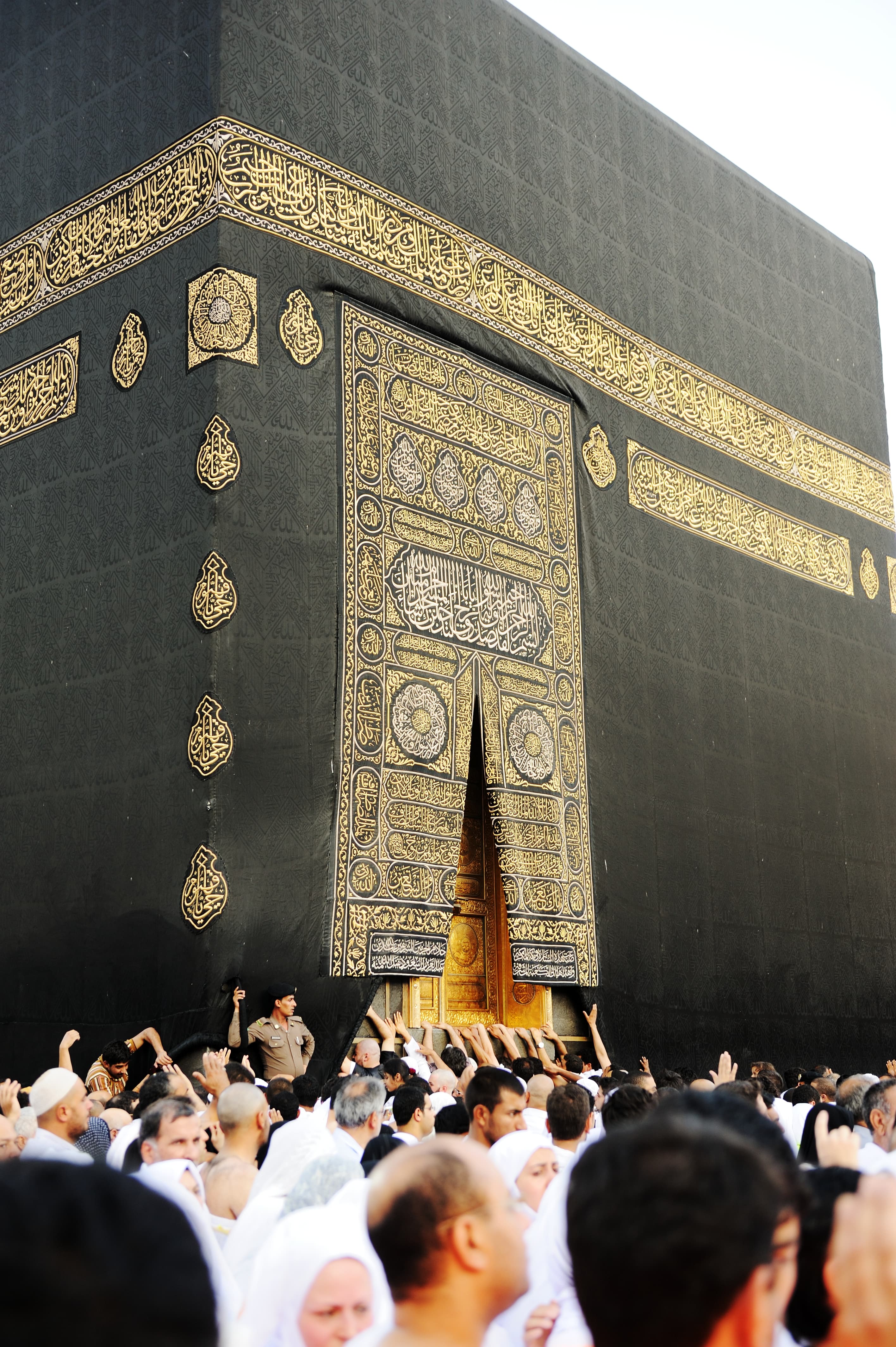
Hajj, the pilgrimage to the holy city of Makkah, is required of every Muslim at least once in their lifetime if they are physically and financially able. It is a journey of total surrender, a gathering of the global Muslim community in one place and one purpose, symbolizing unity, equality, and complete devotion to Allah.
A Complete Way of Life
These five pillars are not isolated obligations to be checked off a list. They are a complete and integrated way of engaging with Allah, each one reinforcing and deepening the others. The Shahada gives meaning to every prayer. Salah trains the discipline that makes fasting possible. Zakat teaches the detachment from the world that Hajj demands. Together they guide Muslims in their worship, foster spiritual growth and social responsibility, and build a living, breathing connection to Allah that sustains the believer through every season of life.
In the articles that follow, each of the Five Pillars is explored in detail, with clear and accessible guidance for anyone who is new to Islam or seeking to understand these practices more deeply.